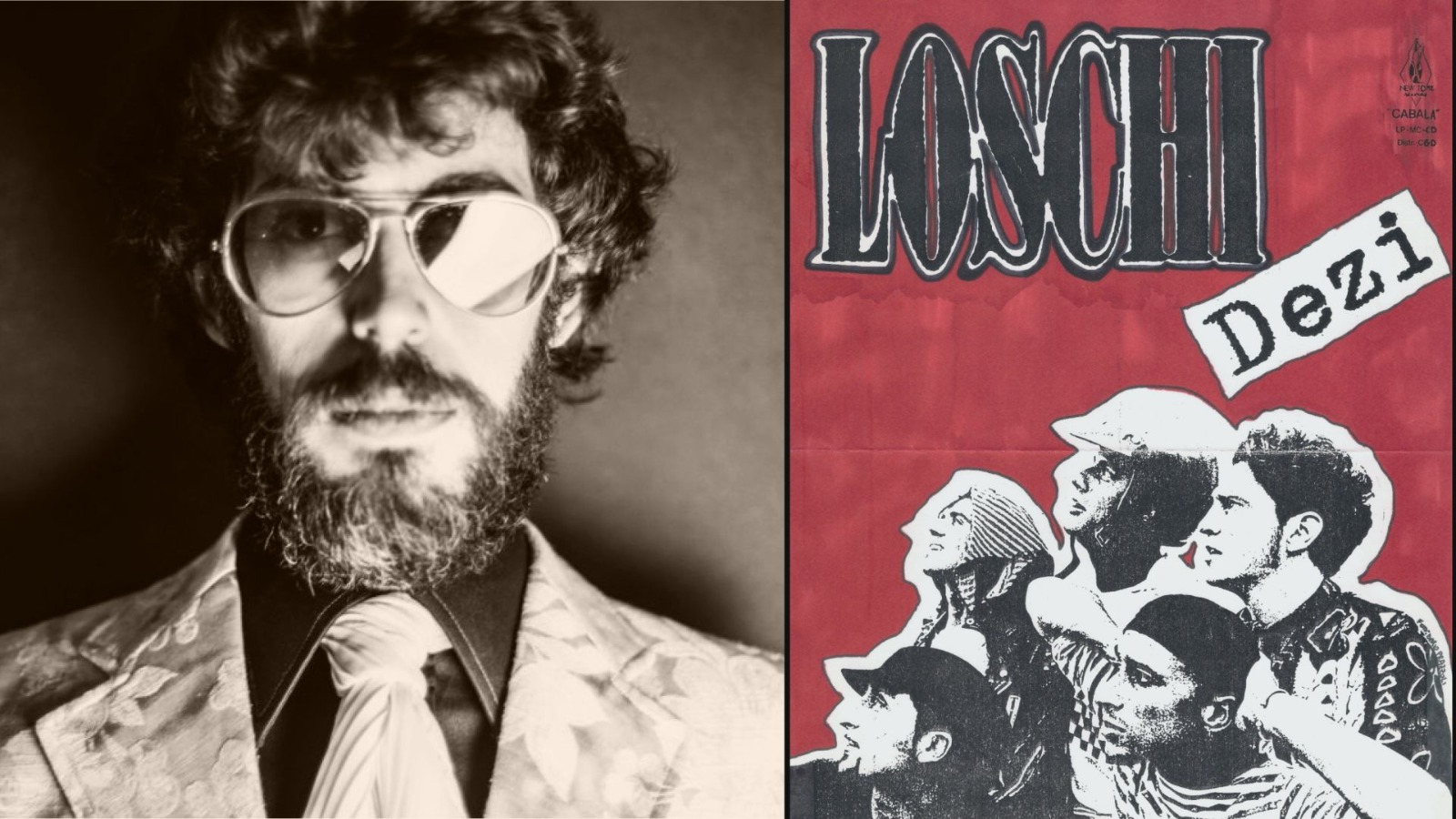
“Ci chiamarono a suonare al Cammello… quella sera pensammo di proporre i nostri pezzi rivisitati in una versione Tango, Cha Cha Cha, Valzer, Liscio. Il pubblico si divertì un casino, noi pure. Decidemmo di continuare su quella strada.”
Luca Morino
In una birreria di Torino, verso la metà degli anni’80, un gruppo di ragazzi torinesi trasformò il loro piccolo gruppo new wave, uno dei tanti, in una delle band più anomale del panorama underground italiano: i Loschi Dezi. I Loschi sono stati un gruppo singolare, a partire dal loro insolito e bizzarro nome. Un po’ Bauhaus e Clash, parecchio Tom Waits e Talking Heads, una dose di Paolo Conte e Morricone, il tutto condito da ritmi popolari come il Valzer e il Liscio. Insomma un gran “mischione”, l’esempio nostrano più calzante di quel miscuglio di generi, lingue e suoni rappresentato dalla patchanka transalpina dei Manonegra di Manu Chao. Con all’attivo un solo vero album da studio, “Cabala”, parecchi anni di gavetta nei club, verso i primi anni ’90, quando un barlume di notorietà parve bussare alle loro porte, decisero di sciogliersi. Alimentando ancor di più quell’alone di mistero che aleggiava intorno a loro.
“L’uomo moderno non si rende conto di quanto il suo razionalismo lo ha posto alla mercé del mondo sotterraneo.”
Carl Gustav Jung
Questa frase potrebbe rappresentare, metaforicamente, uno snapshot ideale di quella che era la Torino al tempo della Fiat. Quando la Fiat era ancora la Fiat. Da un lato c’era una città con un unico metronomo che ne scandiva il ritmo: il motore della fabbrica. Dall’altro, questa presenza egemonica, generava forze opposte e contrarie. Torino era, allo stesso tempo, una delle capitali industriali d’Europa e una delle città più underground d’Italia, con un mondo “sotterraneo” in continuo movimento. Due mondi separati.
Poi a un certo punto, tra gli ’80 e i ’90, questo paradigma apparentemente incrollabile franò, creando nuove visioni. Il nostro intento è mostrare quella Torino, dalla marcia dei 40 mila alla prima giunta Castellani. Quindici anni circa che hanno decretato l’inizio di una mutazione antropologica della città, come non si verificava dallo spostamento della capitale più di 100 anni prima. Il nostro punto di vista sarà quello del mondo della cultura “sotterranea” che esprimeva nella musica il lato più iconoclasta: dalle personalità di spicco ai primi studi di registrazioni, dai (pochissimi) locali cittadini ai gruppi musicali. Tra questi i Loschi Dezi. Il protagonista del nostro viaggio sarà Federico Sacchi, appassionato musicteller torinese, che avrà il compito di portarci sui due lati della bussola: dalla catena di montaggio al mondo “sotterraneo”. Sarà un lavoro su Torino: com’era, come si è trasformata e come potrebbe essere nei prossimi decenni.
Pronta a “Ballare un nuovo passo falso”?