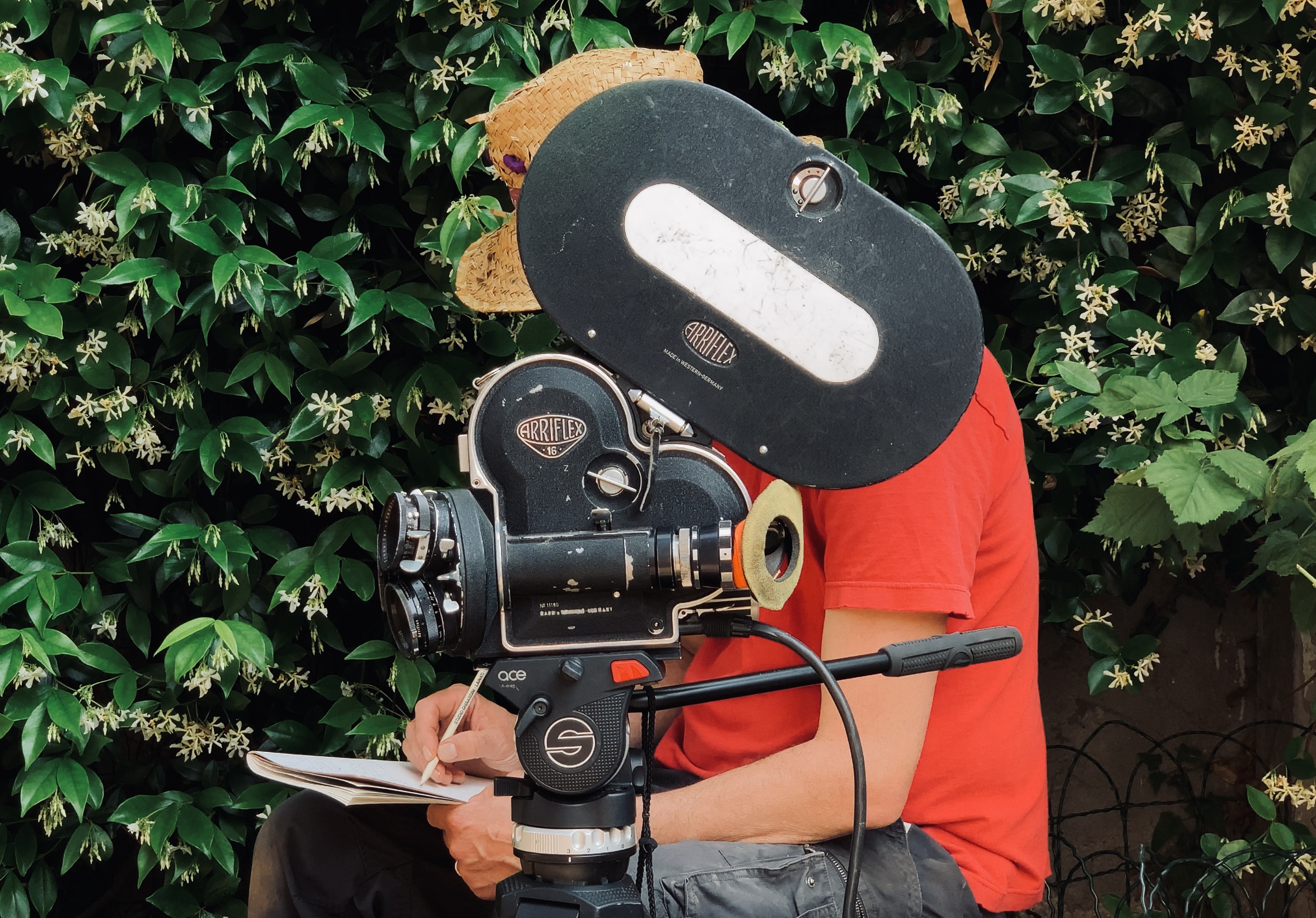
di Andrea Caccia
Italia, 2028
In progress
Berenice Film
- ABOUT
- Chi siamo
- Storia della Fondazione
- Contatti
- La sede
- Partner
- Rete regionale
- Bilancio sociale
- Amministrazione trasparente
- Bandi e gare
- Sostenibilità ambientale
- FILM FUNDS
- Piemonte Film Tv Fund
- Piemonte Film Tv Development Fund
- Piemonte Doc Film Fund
- Short Film Fund
- EVENTI, SPECIALI
- Anteprime in Piemonte
- TFI Torino Film Industry - Production Days
- Avenue Cove - Erasmus +
- Guarda che storia!
- La Grazia - Immagini e location della Torino di Paolo Sorrentino
- Open Day
- FESTIVAL, MARKETS, AWARDS
- International Film Festival Rotterdam
- Berlinale Internationalen Filmfestspiele Berlin
- Festival de Cannes
- Biografilm Festival - Bio to B Industry Days
- Locarno Film Festival
- Mostra Internazionale d’Arte Cinematografica Venezia
- Toronto International Film Festival
- Festa del Cinema di Roma
- Torino Film Festival
- David di Donatello
- Nastri d’Argento
- Premio Solinas
- Youtube
- Vimeo