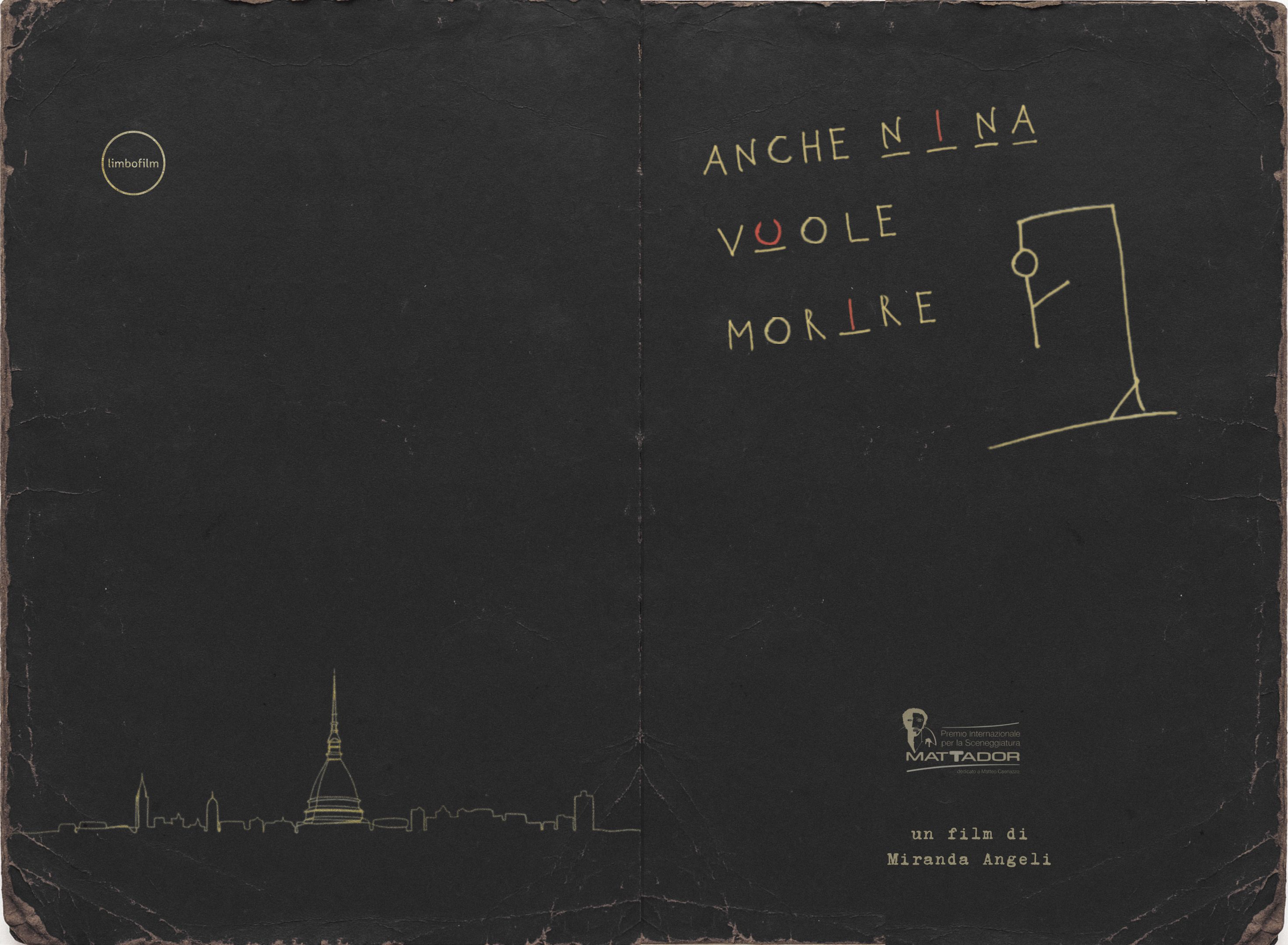
Nina ha deciso come festeggerà il suo ventunesimo compleanno: buttandosi da un tetto. In fin dei conti, la vita non fa proprio per lei. Peccato che Corinna, la figlia della sua nuova irritante terapeuta, sia decisa a farle cambiare idea.
Anche Nina vuole morire è uno young adult dal tono di commedia nera, che guarda all’ironia dissacrante di film come Harold e Maude e Amanda, o serie come The End of the F**ing World*. È il tipo di ironia corrosiva che chi ha meno di trent’anni usa per sopravvivere al quotidiano: un cinismo ostentato che, come tutte le ostentazioni, nasconde paura, amarezza, tristezza, angoscia e la domanda che accompagna la generazione Z: con tutta questa fatica, ne vale davvero la pena? Nina incarna esattamente questa domanda e lo spirito che la anima, uno spirito che, pur essendo diffusissimo tra i giovani adulti, raramente trova spazio nel cinema italiano. Parlare di morte - anzi, di desiderio di morte - resta un tabù, ma il film sceglie di affrontarlo, rappresentarlo e, in qualche modo, sdoganarlo. Proprio qui risiede una parte essenziale della sua originalità: trattare un tema profondissimo senza prendersi troppo sul serio, usando un linguaggio provocatorio e irriverente, sia nella voce della protagonista che nella costruzione del racconto. È quell’ironia tagliente che appartiene a Nina, ai suoi coetanei e, in fondo, a tutti noi quando cerchiamo di difenderci dalle cose che fanno male. Accanto al tema, contribuisce all’originalità del film anche il suo tono da dramedy, poco frequente nel cinema italiano eppure molto amato all’estero, e soprattutto il suo mondo di personaggi: Nina, ventenne in lotta con la vita; Corinna, con le sue manie e il suo continuo tentativo di non far cadere nulla; la Dottoressa F, ottima terapeuta e pessima madre; Dario, il padre goffo e disposto a tutto; Etienne, fragile dietro una maschera intellettuale. Prima che personaggi, sono persone: contraddittorie, imperfette, scorrette, lontane da qualsiasi buonismo giovanilistico. Proprio perché sbagliano, inciampano e non hanno risposte pronte, risultano profondamente amabili. E alla fine non trovano una chiusura netta, ma un’apertura: l’inizio di un ciclo nuovo che noi non vediamo e che forse è meglio immaginare. Così ognuno può pensare per Nina - e per sé - il modo più personale per cavarsela in questa esperienza molto, molto faticosa che è la vita.