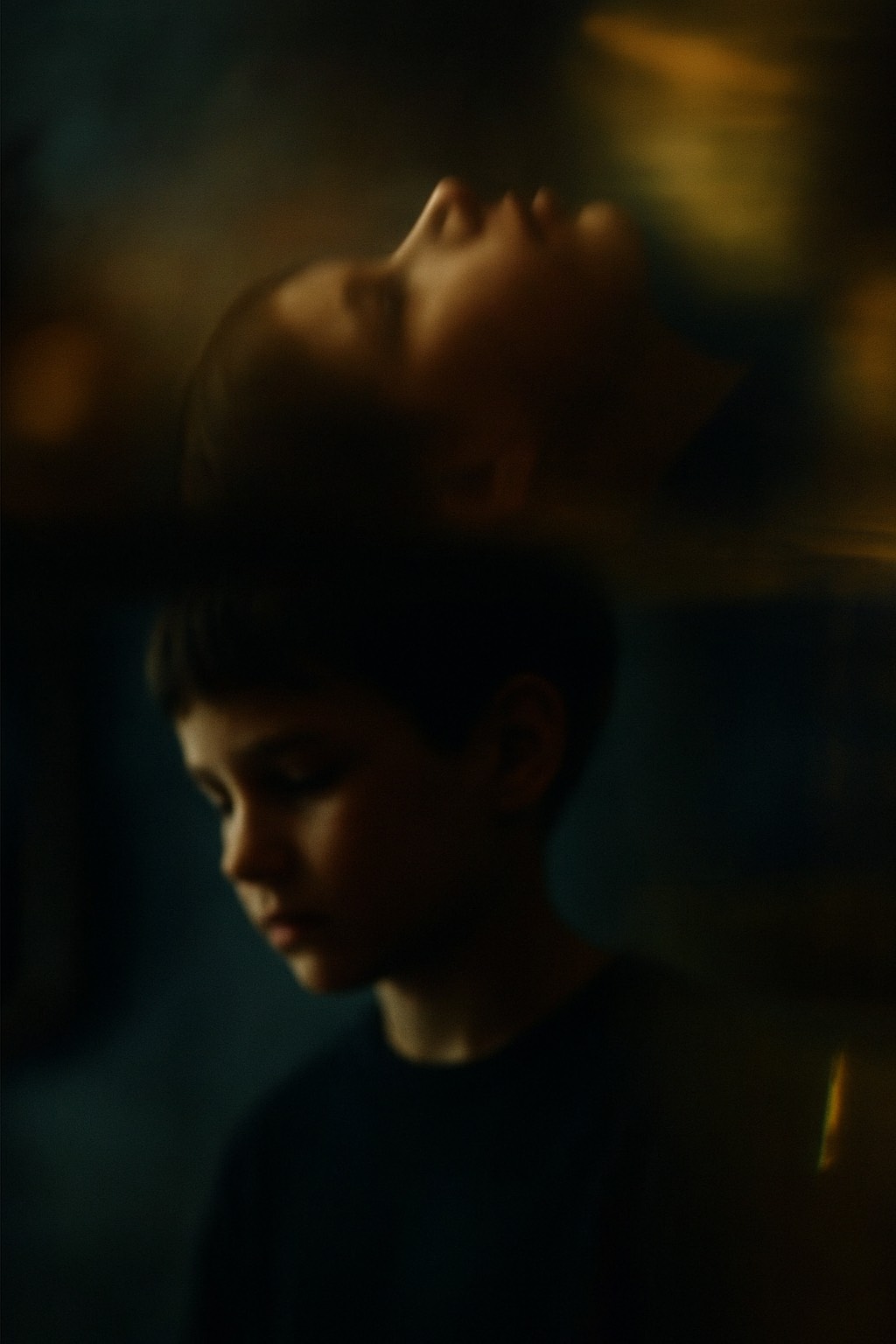
La bambina che visse due volte è un thriller soprannaturale che intreccia memoria, infanzia e legami familiari. Asia è una bambina di 11 anni che, ospitata in un famoso talk show, sostiene di essere la reincarnazione di Michele Garavani, celebre scrittore morto in circostanze misteriose il giorno della sua nascita. Invitata con il padre Luca nella villa di Katerina, psichiatra ed ex moglie di Michele, la bambina riconosce ogni dettaglio della casa e si muove come se fosse “tornata a casa”, sconvolgendo la donna e suo figlio adolescente Ilario. Tra cene di Natale, sedute improvvisate, rancori familiari e il bosco che nasconde il luogo della morte di Michele, Asia oscilla tra il bisogno di essere creduta e ascoltata in quanto uomo adulto e quello di essere vista come figlia e come bambina. La sua presenza costringe tutti a confrontarsi con ciò che hanno perso e con ciò che ricordano, o hanno scelto di ricordare. Nel dialogo irrisolto tra visibile e invisibile, tra verità e memoria, dopo un inspiegabile incidente, Asia resta sola nel bosco, davanti all’acqua che l’ha richiamata per tutto il tempo: qui la bambina dice addio alla presenza di Michele e forse anche alla propria ricerca di una vita che non è mai stata davvero la sua. Nello studio tv, di fronte alla domanda “Hai dei rimpianti?”, Asia rompe il ruolo e guarda in camera, reclamando finalmente la sua storia.
Il progetto cinematografico La bambina che visse due volte si presenta come un'opera di spessore tematico e formale, distinguendosi per la sua abilità nell'intrecciare il dramma familiare con i codici del thriller soprannaturale. La vera forza e l'originalità del soggetto risiedono nel punto di vista femminile delle autrici, che indagano la psiche umana e i legami affettivi. Il fulcro narrativo è Asia, una bambina di undici anni che irrompe nella dinamica di una famiglia con l'affermazione di essere la reincarnazione del padre/marito defunto. Questo concetto non è un mero espediente soprannaturale, ma un dispositivo metaforico che permette al racconto di esplorare il tema dell'infanzia da una prospettiva inedita: l'adulto vede nel bambino un'entità enigmatica e lucida, capace di smascherare le fragilità familiari con uno sguardo spietato. Asia, portatrice del ricordo del padre/marito defunto (Michele), diventa contemporaneamente la detentrice di una doppia identità e l'elemento che scardina le convenzioni sociali. Le autrici scelgono di non focalizzarsi sulla verifica o meno delle affermazioni di Asia, ma di "restare in questo spazio del possibile", un limbo ambiguo che piega la forma della memoria e i codici di comportamento familiare. La storia si rivela essere duplice: è il racconto della crescita di Asia, una ragazzina che ottiene finalmente la statura per essere ascoltata in quanto "reincarna un uomo adulto", e, al contempo, la storia del ricordo perduto di Michele, che trova in Asia un mezzo di comunicazione con la sua famiglia passata. L'immagine di una bambina che è anche un padre è un rovesciamento potente che obbliga lo spettatore a confrontarsi con il proprio sistema di valori e la propria impalcatura sociale. Il soggetto è innervato da una riflessione profonda sulla famiglia, ritratta non come un'istituzione, ma come un'entità "vivente, che respira, si modifica, nasconde", un vero e proprio labirinto. Al centro di questo organismo complesso vi è la dinamica universale della fantasia infantile: il desiderio di Asia di appartenere a una famiglia "più giusta, più calda, più perfetta", un "bisogno di evadere, di riscriversi, di rinascere". L'ambientazione stessa amplifica il conflitto interiore: il film si svolge in un unico luogo, una casa "grande, labirintica, fredda" che simboleggia la dispersione degli affetti e la memoria frammentata, celata. L'inquadratura temporale in un'ambientazione natalizia accentua ulteriormente l'obbligo alla gioia e il ritorno al focolare, rendendo la rigidità invernale un catalizzatore della tensione. L'intenzione è quella di utilizzare l'estetica del thriller non solo come genere, ma come "dispositivo narrativo per entrare nella psiche dei personaggi" e rappresentare le loro "angosce e le storture interiori". La natura circostante, prevista in Piemonte, non è un rifugio, ma una presenza "silenziosa, bianca, minacciosa". Dal punto di vista della scrittura, l'approccio mira a una narrazione che segue una "struttura più simile al flusso di coscienza", con un uso attento di cinematografia, suono e montaggio, mutuato dall'esperienza di Simonetti nel cinema sperimentale e nel videoclip musicale. L'inserimento di un finto filmato d'archivio, che funge da portale per i "ricordi di un'altra vita", enfatizza il tema della memoria come un processo attivo e fantastico. In definitiva, La bambina che visse due volte si configura come un'indagine su "ciò che resta dopo lo strappo". Il confronto tra i molteplici ricordi dei personaggi è un groviglio narrativo dove la memoria è un "fantasma che vive dentro di noi più che intorno a noi". Il riferimento letterario a "Il giro di vite" di Henry James conferma l'intento di fare dell'ambiguità la cifra stilistica del film, per parlare del "cuore di tenebra della realtà" e degli "oscuri gorghi della mente umana". È una fiaba nera dove ciò che è stato rimosso ritorna e chiede ascolto.